+91 70699 99039 info@shineclinic.org Mon–Sat: 11 AM – 7 PM

Comprehensive Eye Care

Glaucoma
Screening &
Management

Glaucoma steals your sight silently — with no pain, no warning. Early detection through regular screening is the only way to protect your vision.

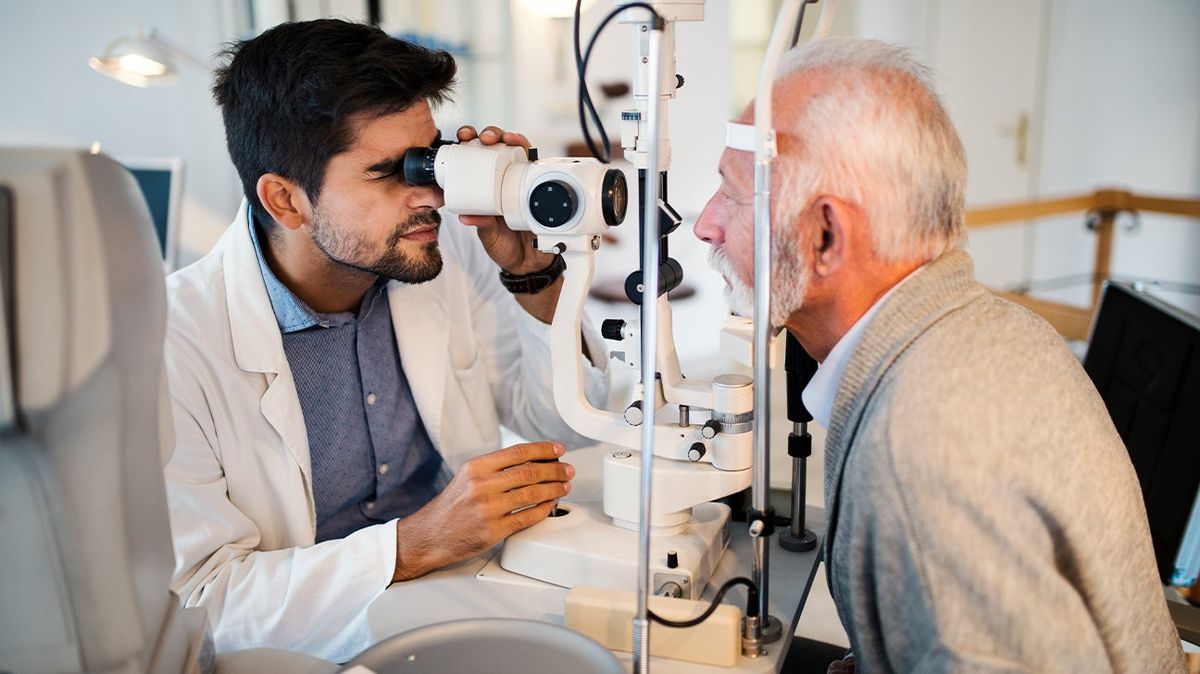
Glaucoma screening at Shine Eye Clinic
Onwards

Why Glaucoma Screening Matters

Glaucoma is the leading cause of irreversible blindness worldwide. Crucially, vision loss from glaucoma cannot be recovered — it can only be prevented. In most cases, there are no symptoms until significant damage has already occurred. A simple annual screening is the only reliable protection.

Intraocular Pressure (IOP) Measurement
Non-contact tonometry measures eye pressure — the primary risk factor for glaucomatous optic nerve damage.
Optic Nerve Head Assessment
Slit-lamp and fundus examination of the optic disc for signs of cupping and nerve fibre loss.
OCT Nerve Fibre Layer Analysis
High-resolution cross-sectional imaging detects structural glaucoma damage before symptoms appear.
Visual Field Testing (Perimetry)
Automated Humphrey perimetry maps peripheral vision loss — a key functional marker of glaucoma progression.
Gonioscopy
Examination of the drainage angle to classify glaucoma as open-angle or angle-closure — critical for treatment decisions.

Types of Glaucoma We Screen & Manage

Glaucoma is not a single disease — it is a group of conditions. Identifying the type is essential for correct treatment.

Primary Open-Angle Glaucoma

The most common form. The drainage angle is open but the trabecular meshwork drains too slowly, causing gradual IOP rise. No symptoms until late stages.

Angle-Closure Glaucoma

The drainage angle narrows or closes, causing sudden dangerous IOP spikes. Can present as a painful red eye emergency — requires urgent treatment.

Normal-Tension Glaucoma

Optic nerve damage occurs despite normal IOP — vascular insufficiency to the nerve may be the cause. Easily missed without OCT and visual fields.

Secondary Glaucoma

Caused by another condition — trauma, steroid use, diabetic eye disease, or uveitis. Identified through careful history and examination.

Congenital & Paediatric Glaucoma

Rare but sight-threatening in children. Presents with enlarged eyes, light sensitivity, and excessive tearing in infants.

Ocular Hypertension (OHT)

Elevated IOP without optic nerve damage — a pre-glaucoma state requiring monitoring and sometimes prophylactic treatment.

Who Should Be Screened for Glaucoma?

Anyone can develop glaucoma, but certain groups face significantly higher risk and should be screened annually.

Over 40 years of age
Glaucoma risk increases dramatically after 40 — annual IOP checks are strongly recommended.
Family history of glaucoma
First-degree relatives of glaucoma patients have a 4–9× higher risk.
High myopia (short-sightedness)
High myopes have thinner optic nerves and altered disc anatomy, increasing glaucoma risk.
Diabetes or hypertension
Both conditions affect ocular blood flow and IOP regulation.
Long-term steroid use
Steroid eye drops, inhalers, or tablets can elevate IOP — regular monitoring is essential.
Previous eye injury or surgery
Trauma or surgical complications can damage the drainage angle, causing secondary glaucoma.
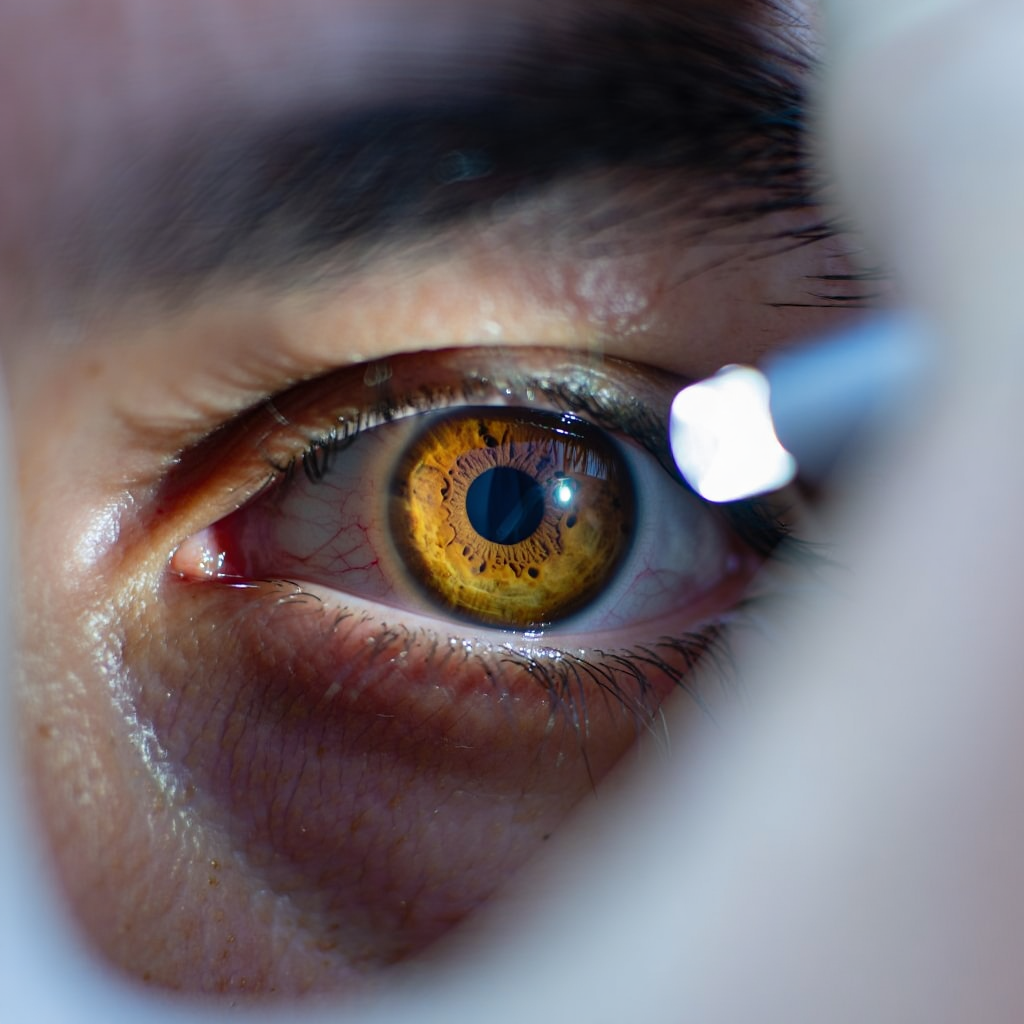
Glaucoma risk assessment at Shine Eye Clinic
OCT
Imaging Available

Glaucoma Screening Fees

All fees are disclosed upfront. Glaucoma screening is covered under most insurance plans — please check with your provider.

Glaucoma Screening (IOP + disc assessment)
OCT Optic Nerve Fibre Layer Analysis
Automated Humphrey Visual Field Test
Gonioscopy
Full Glaucoma Workup (all tests)
Glaucoma Follow-up Visit
Book Glaucoma Screening Call for More Info

Don't Wait for Symptoms — There Aren't Any.

A glaucoma screening takes 30 minutes and could save your sight. Book today.

Book Appointment →