+91 98765 43210 info@shineclinic.org Mon–Sat: 9 AM – 7 PM

Children's Eye Health

Pediatric
Eye Care for
Every Child

Early detection changes everything. Our child-friendly clinic uses fun, stress-free techniques to assess and protect your child's vision from infancy through adolescence.

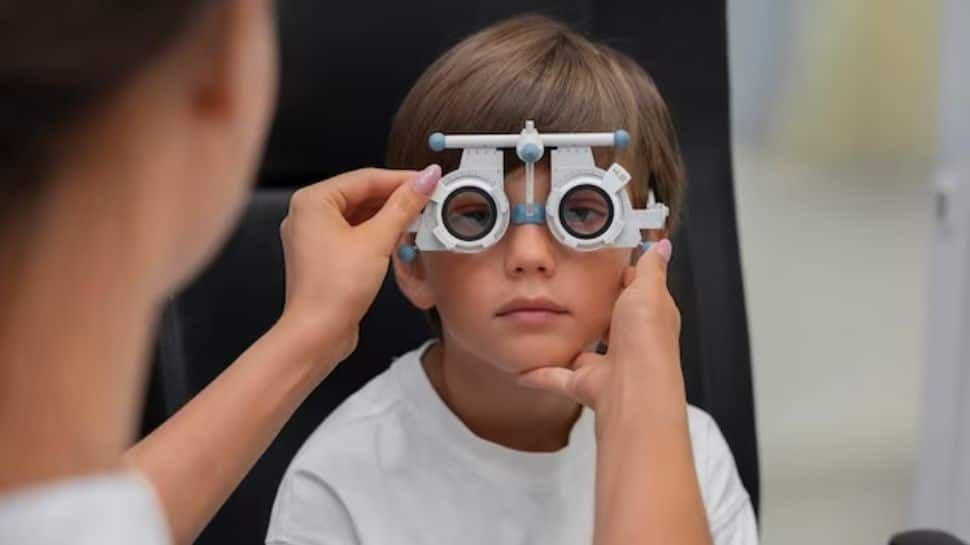
Pediatric eye exam at Shine Eye Clinic
Age 3
First Exam

Vision & Learning Are Inseparable

Up to 80% of learning in school is visual. Children with undetected vision problems often struggle academically — not because of intelligence, but because they simply cannot see clearly. Our paediatric optometrists are specially trained to assess children from age 3, using picture charts and game-like tests that keep little ones engaged.

Child-Friendly Testing Techniques
Picture charts, LEA symbols, and Kay pictures used for pre-literate children — no reading required.
Cycloplegic Refraction
Medicated eye drops temporarily relax the focusing muscles for the most accurate prescription in children.
Binocular Vision Assessment
Tests for how well both eyes work together — critical for depth perception and reading.
Parent Guidance & Reporting
Clear, jargon-free findings communicated to parents with an action plan and school report if required.

Conditions We Diagnose & Treat

From common refractive errors to complex binocular vision problems — we handle it all under one roof.

Short-sightedness (Myopia)

Blurry distance vision — one of the most common childhood conditions, and one of the most important to catch early.

Long-sightedness (Hyperopia)

Children can compensate by over-focusing, causing eye strain, headaches, and difficulty concentrating.

Astigmatism

An irregular corneal curve causing blurry or distorted vision at all distances — corrected with specially oriented lenses.

Lazy Eye (Amblyopia)

One eye develops weaker vision — patching therapy and vision training are most effective when started before age 8.

Squint (Strabismus)

Misaligned eyes — treated with glasses, patching, prisms, or surgery depending on type and severity.

Myopia Control

Ortho-K lenses, atropine drops, and MiSight contact lenses to slow the progression of myopia in growing children.

When Should My Child Have an Eye Exam?

Children rarely complain about poor vision — they assume everyone sees the world the same way they do.

Age 3–4 (Pre-school)

First full eye exam. Detects amblyopia risk factors and significant refractive errors before school starts.

Age 5–6 (School Start)

Vision screening to confirm readiness for classroom learning. Update glasses prescription if needed.

Age 7–12 (Primary School)

Annual review. Myopia onset peaks during this period — early management slows progression.

Age 13–18 (Teens)

Prescriptions can change rapidly during adolescent growth spurts — annual check recommended.

Any Time: Warning Signs

Eye rubbing, squinting, sitting close to the TV, headaches after reading, or complaints about blurry vision.

Family History

If parents or siblings are highly myopic, start screening earlier — by age 3 at the latest.

Paediatric Exam Fees

We accept cash, UPI, and major insurance plans. School groups and camps are welcome — contact us for group rates.

Paediatric Eye Examination
Cycloplegic Refraction (with drops)
Orthoptic / Binocular Vision Test
Amblyopia Follow-up
Myopia Control Consultation
Book for Your Child Call for Group Bookings

Give Your Child the Gift of Clear Vision

A 45-minute visit today could make all the difference to their learning and confidence.

Book Appointment →